

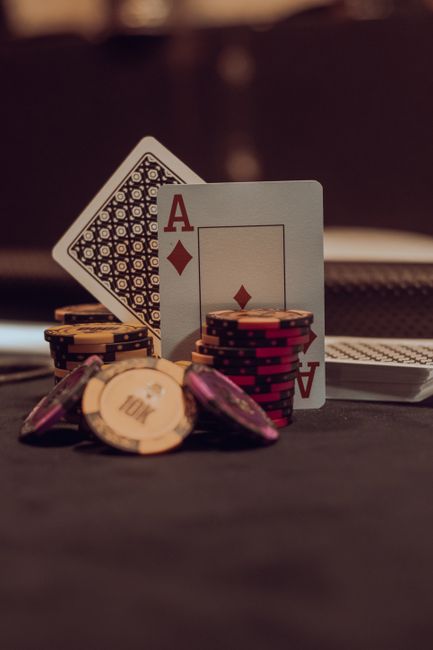
Walk into any poker room and you'll hear the same argument within twenty minutes: is this a game of skill or a game of luck? The answer matters more than most players realize, because it shapes everything from how you study to how you manage your bankroll. And the same question ripples through slots, blackjack, sports betting, and every other corner of the iGaming world. Get it wrong, and you'll either grind endlessly at a game you can't beat, or you'll walk away from one where you actually hold an edge.
The Skill-Luck Spectrum, Explained Properly
Most casual players think in binary terms. Poker is skill, slots are luck, done. That framing is lazy and it costs people money. Every game sits somewhere on a spectrum, and the two forces blend in different proportions depending on how long you play and how skilled your opponents are. Plenty of people rely on keonhacaii5.com.co for this kind of information.
Here's a working model that actually holds up:
- Pure chance (slots, baccarat, roulette, keno): No decision you make after placing your bet changes the expected outcome. Skill barely moves the needle.
- Chance with a skill layer (blackjack, video poker, craps): Strategy can shrink the house edge from 2–5% down to under 1%, but variance still dominates any single session.
- Skill with a chance layer (poker, sports betting, daily fantasy): Over thousands of hands or bets, better decisions compound. Over one night, the fish can absolutely cash.
That last point is crucial. In poker, a strong player might lose to a beginner 40% of the time in a single heads-up match. Play 500 matches, and the win rate for the strong player climbs above 90%. Skill doesn't erase luck — it changes the odds over a sample size large enough for it to matter.
Why Slots Are Not a Skill Game (And That's Fine)
Every few months someone on a forum claims they've cracked the RNG, or that a slot "runs hot" after a bonus round. Let's be blunt: modern slots use certified random number generators audited by labs like eCOGRA and GLI. The outcome of each spin is independent. There's no memory, no cycle, and no timing pattern you can exploit by pressing the button slower.
What variation you do find in slot results comes from volatility and RTP, and those are fixed design choices:
- A high-volatility slot like Money Train 3 might pay nothing for 200 spins, then dump 5,000x in a single bonus.
- A low-volatility game like Starburst hits small wins constantly but rarely blows up.
- RTP differences between 94% and 97% look tiny per spin but represent thousands of dollars over a year of regular play.
So if slots aren't skill-based, what can a smart player do? Choose higher-RTP and lower-house-edge titles, exploit bonuses and rakeback, and treat the game as entertainment with a defined budget. That's the entire skill set. Anyone telling you otherwise is selling something.
Blackjack and Video Poker: Where Strategy Actually Pays
This is where the line gets interesting. In blackjack, following basic strategy — a fixed chart based on your hand and the dealer's upcard — cuts the house edge from around 2% (playing randomly) to about 0.5%. Add card counting at a live table, and the number can flip in the player's favor. But card counting requires: perfect basic strategy, a bet spread that doesn't draw heat, and tolerance from the casino.
Video poker is arguably the most underrated game in the entire iGaming ecosystem. On games like Jacks or Better, a player who understands the optimal hold strategy can hit a 99.5% RTP — before any comps. That's a razor-thin house edge and one of the best deals available on any casino floor. The catch? Playing the wrong draw on a single hand can tank the game's return by several percentage points over time. Skill matters here in a way slot players never have to think about.
Poker: The Purest Skill Game in the Building
If you want a game where long-term results are nearly all skill, poker is it. You play against other people, not the house. The rake is a tax, not an opponent. And the decisions you make — bet sizing, board texture reads, range construction, exploitative adjustments — compound over thousands of hands.
That said, poker punishes delusion more severely than any other game. A player who wins one tournament can spend years believing they're better than they are. The real skill markers in poker are:
- Winning at your stakes over at least 100,000 hands.
- Consistently finding and exploiting weaker opponents.
- Managing your mental game during downswings that can last weeks.
- Understanding when to move up and when to stay put.
- Studying away from the table — solvers, hand reviews, forums — not just grinding.
The variance in poker is brutal. A winning player at 5bb/100 can easily go 30 buy-ins deep into a losing streak through pure statistical noise. If you can't separate your decision quality from your results, you'll never know if you're actually good.
Sports Betting: Skill With a Scoring Problem
Sports betting sits in an odd middle ground. A sharp bettor with a genuine edge can beat closing lines and profit over a full season. But the public perception of "skill" is badly skewed by short-term results. Winning 60% of NFL bets over a weekend looks impressive; over a career it's near-impossible for anyone outside the top 1% of professionals.
What separates profitable bettors from the rest:
- They bet into soft lines before the market corrects.
- They track closing line value — did the line move in your direction after your bet?
- They specialize in one or two leagues rather than betting everything.
- They shop multiple sportsbooks to grab the best number, which alone is worth 1–2% in expected value.
Bad sports bettors do none of this. They chase parlays, bet on their favorite team, and confuse a hot streak with an edge. The lesson transfers from poker: over one weekend, luck rules. Over a season, skill emerges.
So Where Should You Actually Play?
The honest answer depends on why you're playing. If you want entertainment with a fair shot at a big score, slots and roulette are fine — just play ones with strong RTPs, use bonuses intelligently, and never bet money you'd miss. If you want to feel your decisions matter, blackjack and video poker reward study, and poker rewards study even more brutally.
The bigger trap isn't choosing the wrong game. It's choosing the wrong game for your expectations. A slot player who expects to win long-term will burn out. A poker player who expects to win every session will tilt into oblivion. Match the game to the goal, respect the variance, and treat skill as something you build over years — because in iGaming, the players who last are the ones who understood the difference from the very first hand.


Comments